Why This Classic Cut Is the Star of the Passover Seder
Passover is a time for gathering around the table, honoring tradition, and sharing a meal that connects generations. While the Seder plate carries symbolic meaning, the main course often becomes the centerpiece of the evening.
For many families, that centerpiece is 1st cut brisket of beef — slow cooked, deeply flavorful, and meant to be shared.
But what most people don’t realize is that the brisket served at a traditional Passover Seder is not just any cut of beef. There’s a fascinating story behind the cut itself, how it became a Jewish holiday staple, and why butchers consider 1st cut brisket one of the most versatile and rewarding cuts of beef to cook.
What Is 1st Cut Brisket?
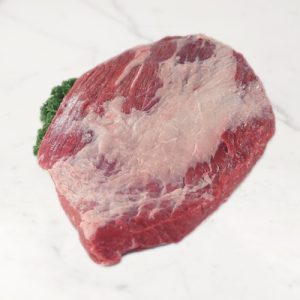
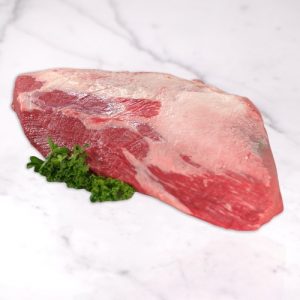
Brisket comes from the lower chest of the cow, a hardworking muscle that supports much of the animal’s weight. Because of this, brisket is naturally rich in connective tissue and collagen, which requires low and slow cooking to become tender.
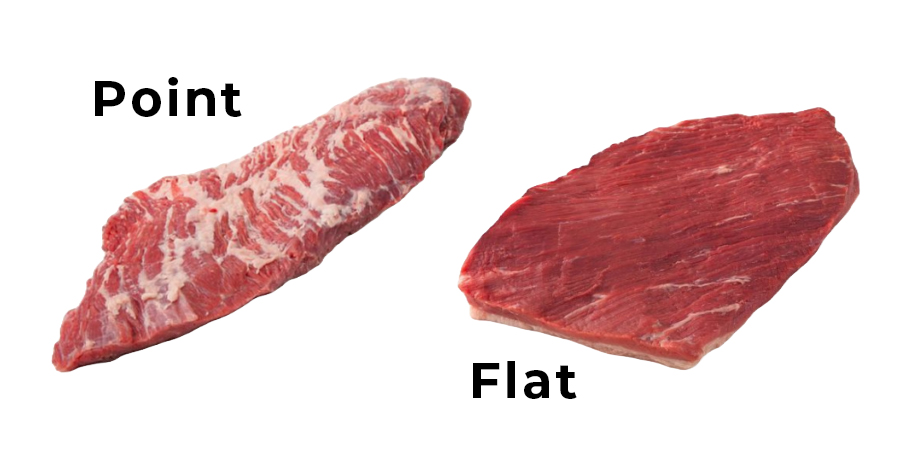
The brisket primal is typically divided into two sections:
First Cut (Flat Cut)
Leaner and more uniform in shape
Ideal for slicing
Perfect for braising and roasting
Traditional for holiday meals
Second Cut (Point Cut)
Thicker with more marbling
Richer and fattier
Often used for barbecue or shredded brisket
For Passover meals, 1st cut brisket is preferred because it slices beautifully and feeds a crowd with elegant presentation.
Why Brisket Became a Passover Tradition
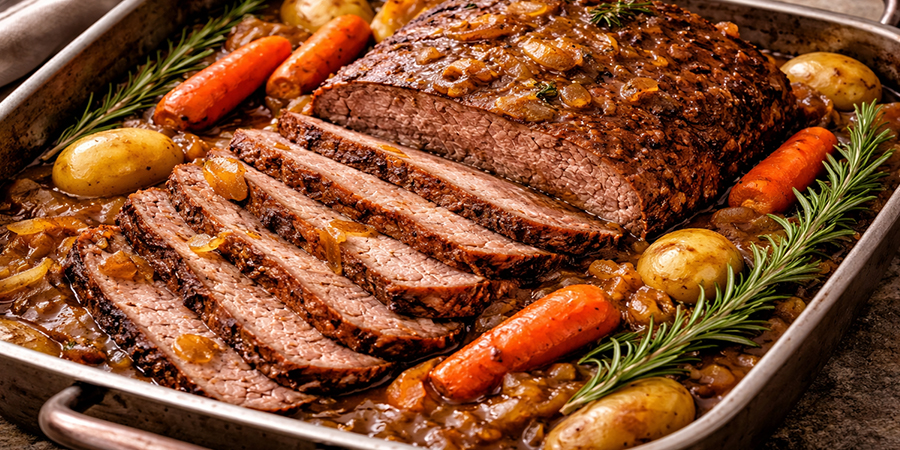
Brisket became a Jewish holiday staple centuries ago in Eastern Europe. It was one of the few cuts that was affordable yet large enough to feed extended families.
But brisket also had another advantage:
When cooked slowly with onions and vegetables, it becomes incredibly tender and flavorful.
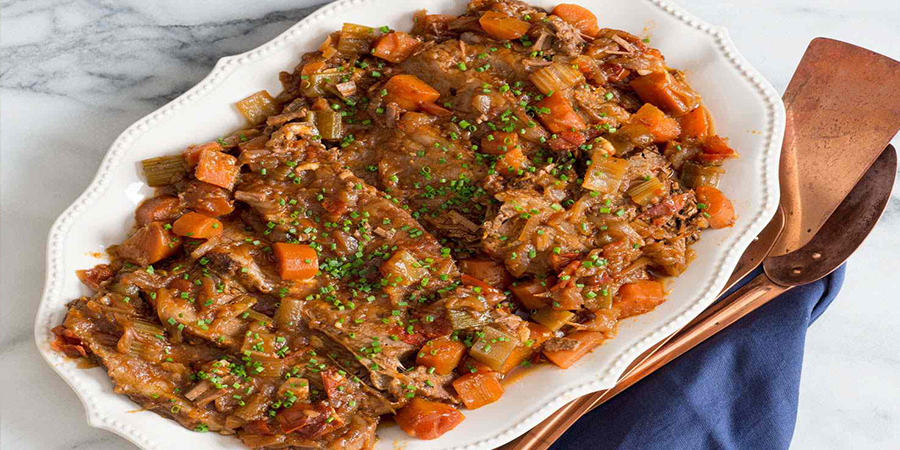
Jewish cooks perfected braising brisket with onions, carrots, and rich gravies, turning a humble cut into a dish worthy of celebration.
Over time, brisket became deeply associated with Sabbath dinners, family gatherings, and especially Passover Seders.
The Surprising Truth About 1st Cut Brisket
Many people assume that because 1st cut brisket is leaner, it has less flavor.
In reality, the opposite happens during cooking.
When brisket cooks slowly, the connective tissue melts into gelatin, creating deep beef flavor and silky texture. This is why brisket often tastes even better the next day after the flavors have had time to develop.
For many families, leftover brisket from the Seder is one of the most anticipated meals of the holiday.
 How to Choose the Best Brisket for Passover
When selecting a brisket for Passover, there are a few key things to look for to ensure the best results.
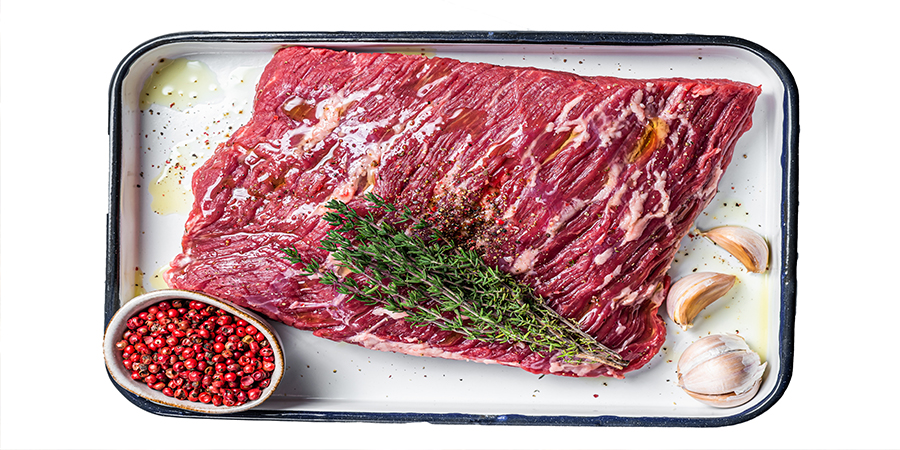
Look for good marbling
Even though the first cut is leaner, small streaks of fat inside the meat help keep the brisket moist during long cooking.
Choose a thicker flat
A brisket with good thickness cooks more evenly and stays tender.
Keep the fat cap
A thin layer of fat on top protects the meat during braising and adds flavor.
Buy from a trusted butcher
A professional butcher can help trim and prepare the brisket specifically for roasting or braising.
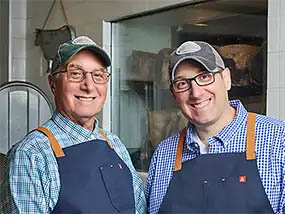
At Prime Time Butcher, every brisket is hand-selected and hand-cut by experienced butchers to ensure optimal tenderness and flavor.
👉 Explore our holiday offerings: https://orderprimetime.com/order-passover/
A Butcher’s Guide to Brisket Cuts
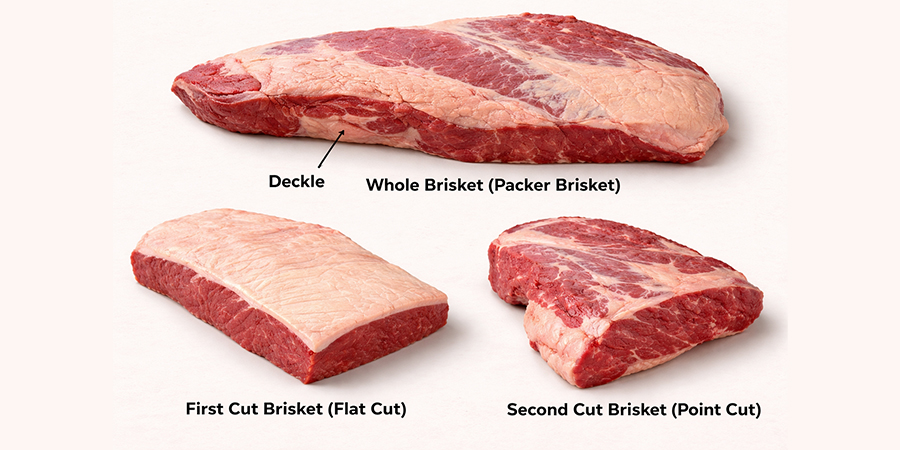
Understanding brisket cuts helps explain why 1st cut brisket is ideal for Passover cooking.
Whole Brisket (Packer Brisket)
This includes both the flat and the point. It is most commonly used for barbecue smoking.
First Cut Brisket (Flat Cut)
The flat is leaner, rectangular in shape, and ideal for slicing. This is the classic brisket used for braised holiday recipes.
Second Cut Brisket (Point Cut)
The point contains more fat and connective tissue, making it ideal for slow smoking or shredding.
Deckle
The fatty portion between the flat and the rib area that adds flavor but is often trimmed.
A skilled butcher trims brisket carefully so the meat cooks evenly and slices cleanly for serving.
Is Dry-Aged Prime Brisket Really Better Than a Supermarket Brisket?
When shopping for brisket, many people notice a big price difference between a brisket from a specialty butcher and one from a large supermarket or warehouse store. At first glance, the lower price might seem like a better deal — but there are a few important factors that explain the difference.
Quality of the Beef Matters
Not all briskets come from the same grade of beef.
A Prime brisket comes from cattle with higher levels of intramuscular fat, also known as marbling. This marbling helps the meat stay moist during long cooking and produces deeper flavor.
Lower grades of beef — often sold in large grocery stores — may have less marbling and less consistency, which can lead to a brisket that cooks drier or tougher if not handled properly.
When you’re cooking a dish that takes several hours and becomes the centerpiece of a holiday meal, the quality of the beef makes a noticeable difference.
What Dry Aging Does to Brisket
Dry aging is a traditional butcher technique where beef is aged under controlled conditions for several weeks.
During this time:
Natural enzymes break down muscle fibers, improving tenderness
Moisture slowly evaporates, concentrating the flavor
The beef develops a deeper, richer taste
While brisket is most commonly associated with steaks when it comes to dry aging, a dry-aged brisket can develop a more complex, beef-forward flavor that stands out when braised or smoked.
The Hidden Difference: Trimming
Another reason supermarket briskets may appear cheaper is how they are trimmed.
Large retailers often sell briskets with:
- Thick external fat caps
- Large sections of hard fat
- Excess deckle or uneven trimming
While that fat adds weight — which lowers the price per pound — much of it will be trimmed away or rendered off during cooking.
At a traditional butcher shop like Prime Time Butcher, briskets are carefully hand-trimmed before they reach the customer. Butchers remove excess hard fat and shape the brisket so it cooks evenly.
That means when you buy a brisket from a butcher, you’re paying for usable meat rather than excess trim.
Consistency from a Skilled Butcher
Another advantage of buying brisket from a butcher is guidance and consistency.
A professional butcher can help you:
- Choose the right brisket size for your gathering
- Select the best marbling for braising or smoking
- Trim the brisket for even cooking
- Explain how to slice it properly against the grain
- Sliced and pack your cooked brisket
And at Prime Time Butcher, we take it a step further…
We can trim your brisket before cooking and even slice it for you after it’s fully cooked, ensuring perfect, uniform slices every time. This takes the guesswork out of serving and guarantees your brisket looks just as good on the platter as it tastes.
This level of service is something you simply won’t find at a big box store — and it’s one of the reasons a properly prepared brisket can go from good to truly exceptional.
The Real Value of a Better Brisket
While a supermarket brisket may appear cheaper on the label, once trimming and cooking loss are considered, the difference in cost can narrow.
More importantly, when you’re serving a brisket for a holiday meal like Passover, the goal isn’t just price — it’s flavor, tenderness, and presentation at the table.
A well-trimmed Prime brisket from a skilled butcher can deliver a richer flavor, more consistent cooking, and slices that look beautiful on a serving platter.
And when brisket is the centerpiece of the Seder table, that extra care can make the entire meal more memorable.
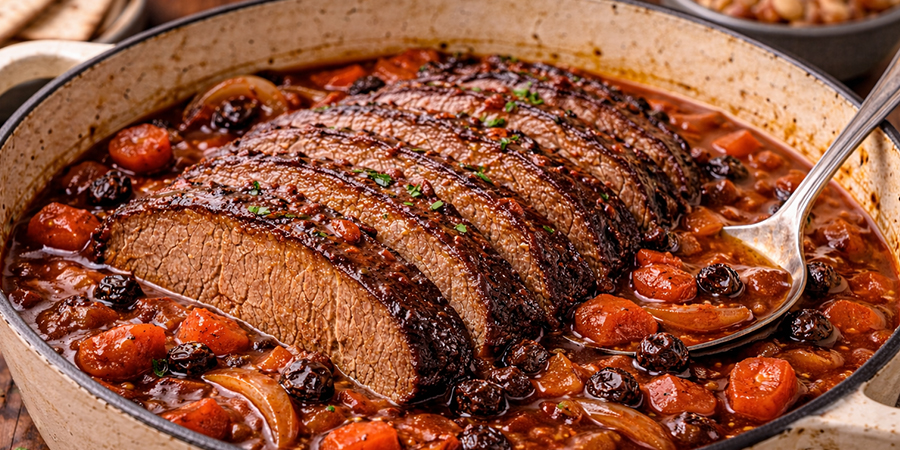
Classic Passover Brisket Recipe
Ingredients
4–5 lb 1st cut brisket
2 large onions, sliced
3 carrots, chopped
4 cloves garlic, minced
2 cups beef broth
1 cup crushed tomatoes
2 tbsp tomato paste
2 tbsp brown sugar
2 tbsp red wine vinegar
Salt and pepper
2 tbsp olive oil
Step 1: Season the brisket
Pat the brisket dry and season generously with salt and pepper.
Step 2: Sear the meat
Heat olive oil in a large roasting pan or Dutch oven. Sear brisket on both sides until browned.
Step 3: Build the braising base
Remove brisket and add onions, carrots, and garlic. Cook until softened.
Step 4: Add the sauce
Stir in tomato paste, broth, tomatoes, brown sugar, and vinegar.
Step 5: Slow cook
Return brisket to the pan, cover tightly, and cook at 325°F for about 3–4 hours or fork tender.
Step 6: Rest and slice
Allow brisket to rest before slicing against the grain for maximum tenderness.
A Stress-Free Passover Meal Option
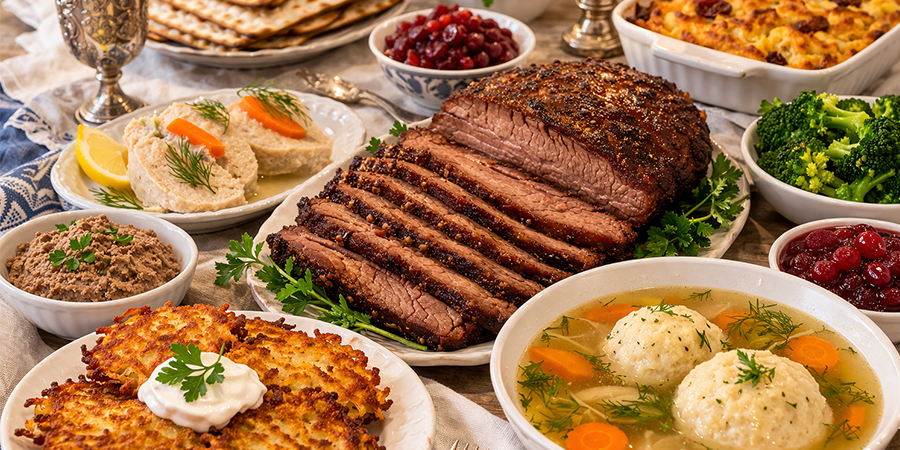
Hosting a Seder can involve many dishes — soup, matzo balls, brisket, sides, and desserts.
Many families choose to simplify the process by ordering a fully prepared Passover meal.
Prime Time Butcher offers a complete Cooked Passover Seder Package, including:
Chopped liver
Seder plate ingredients
Homemade chicken soup with matzo balls
Rotisserie chickens
Traditional sides
With optional upgrades including 1st cut brisket of beef, all natural herb roasted turkey breast, cooked & sliced turkey briskey and lemon-dill roasted salmon.
👉 View the full Passover Seder meal package:
https://orderprimetime.com/bundles/packages/cooked-passover-sedar-package/
Why Brisket Still Defines the Passover Table
In a world filled with trendy ingredients and modern recipes, brisket remains a reminder that the most meaningful meals often come from tradition.
It represents:
family gatherings
heritage recipes
shared holiday celebrations
And during Passover, a beautifully cooked 1st cut brisket continues to be the dish that brings everyone together.